A local's guide to the viewpoints, lakes, caves and forts that make Lonavala worth the drive — with distances from LonavillaStay.
Lonavala is one of those hill stations that rewards both the do-everything traveller and the do-nothing one. You can fill three days with treks, caves and waterfalls — or you can fill them with nothing more than chai, the pool at our 4BHK villa, and a long lunch. Either way, here's what's worth knowing about, in roughly the order our guests tend to ask about them. For trip-planning help, our Lonavala travel guides go deeper on the best season to come, family weekends and group getaways.
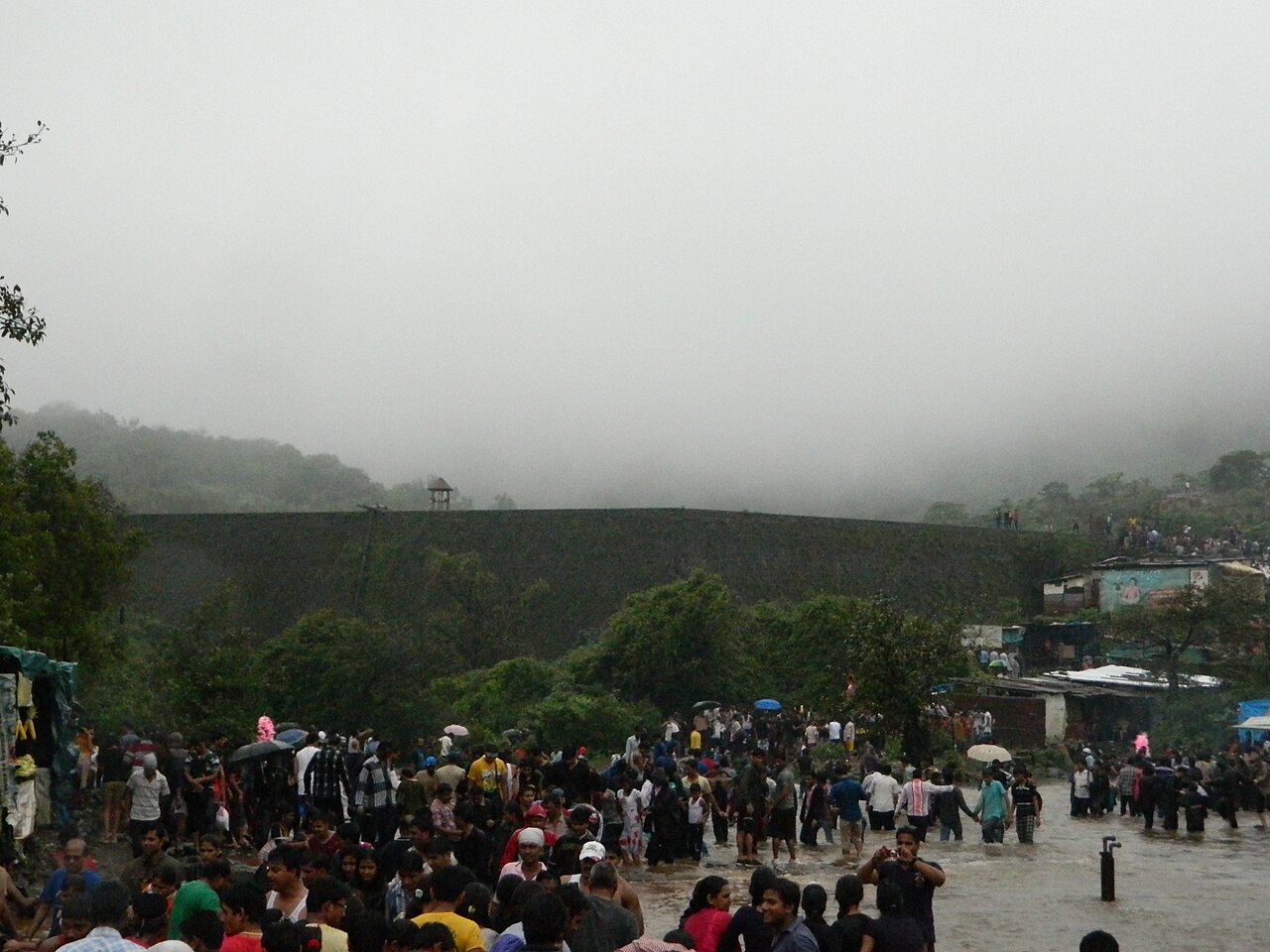
The unofficial centre of Lonavala's monsoon. When the dam overflows in July and August, the steps turn into a series of little waterfalls and the whole place comes alive with families wading in. It can get crowded on weekends, so go early — or off-season for a quieter walk.
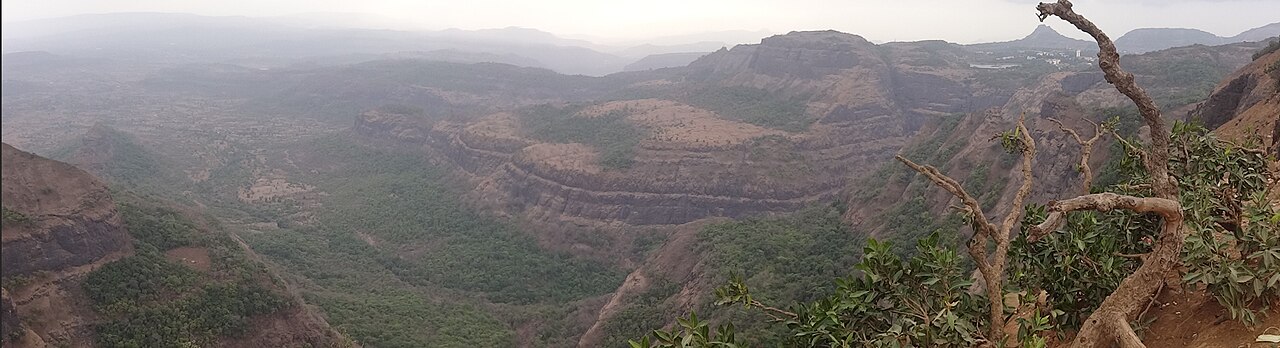
A cliff-edge viewpoint with a sheer drop of around 650 metres into the valley below. The view is enormous — green-on-green hills in every direction. Best visited at sunrise (less crowd, clear skies) or sunset for the photo. There are a few small chai stalls nearby for the obligatory cup with a view.
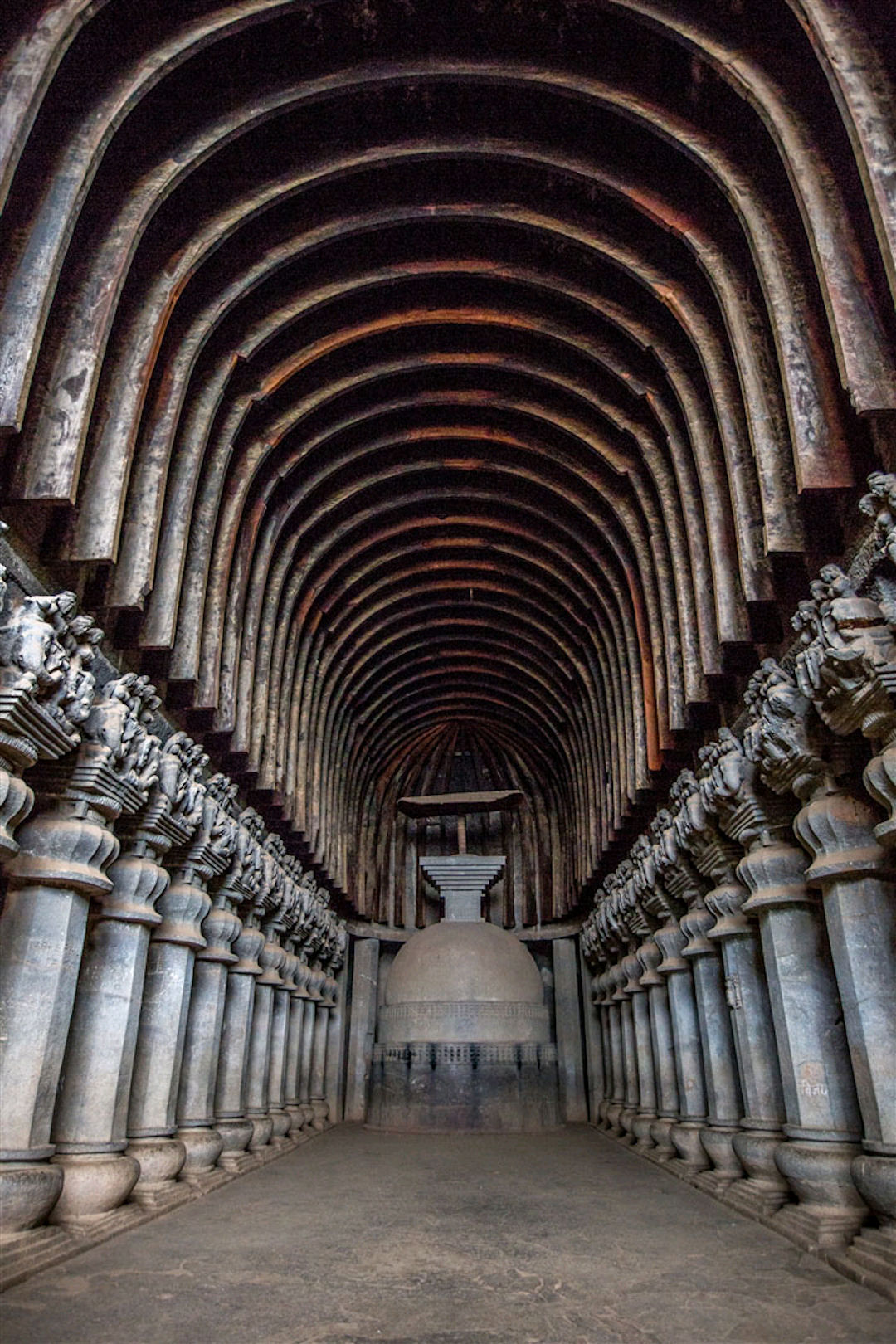
Ancient Buddhist rock-cut caves dating back to the 2nd century BCE. The main chaitya hall is genuinely impressive — towering wooden ribs that have somehow lasted two millennia. A short uphill climb gets you to the entrance. Pair it with the Bhaja Caves for a half-day of history.
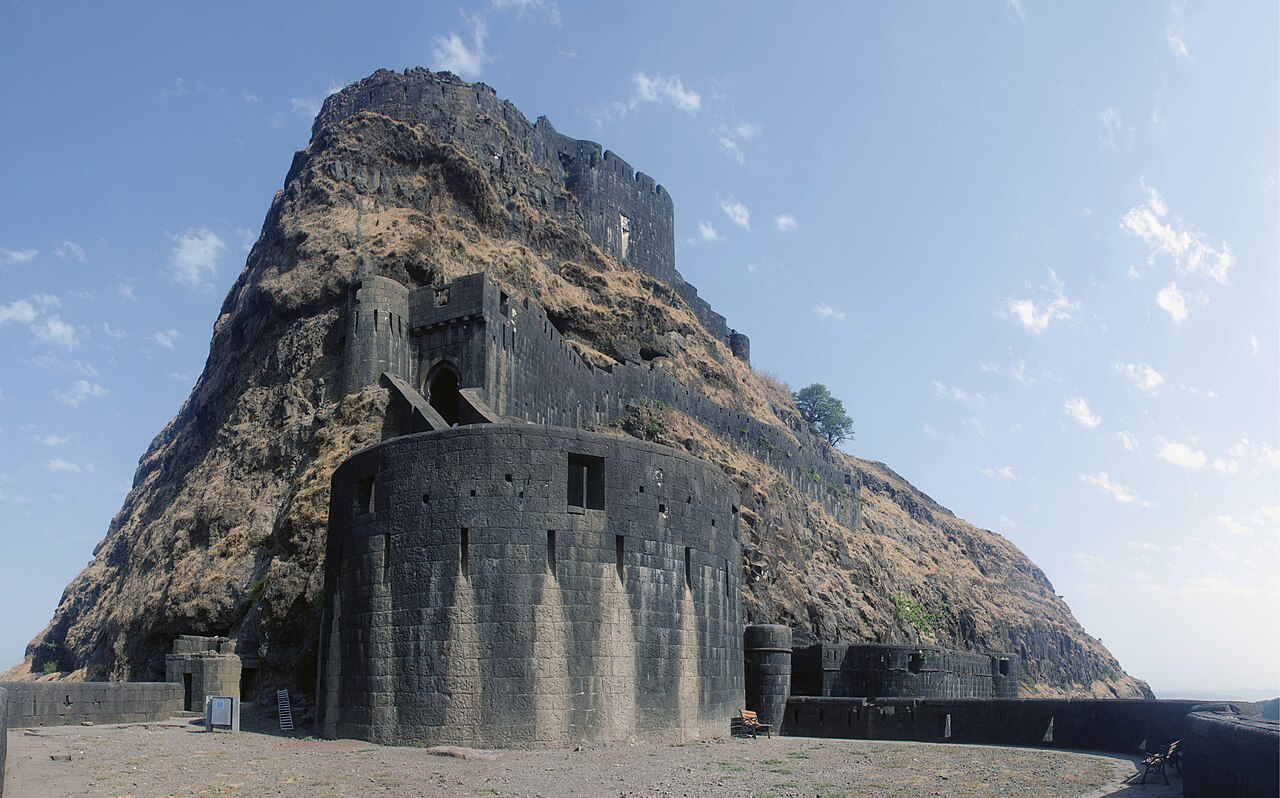
A friendly trek for first-timers — about an hour up, mostly on stone steps. The fort itself has wonderful walls, a few gates worth pausing at, and a 360° view from the top that's especially good in the post-monsoon green. Take water and start before 10 AM.
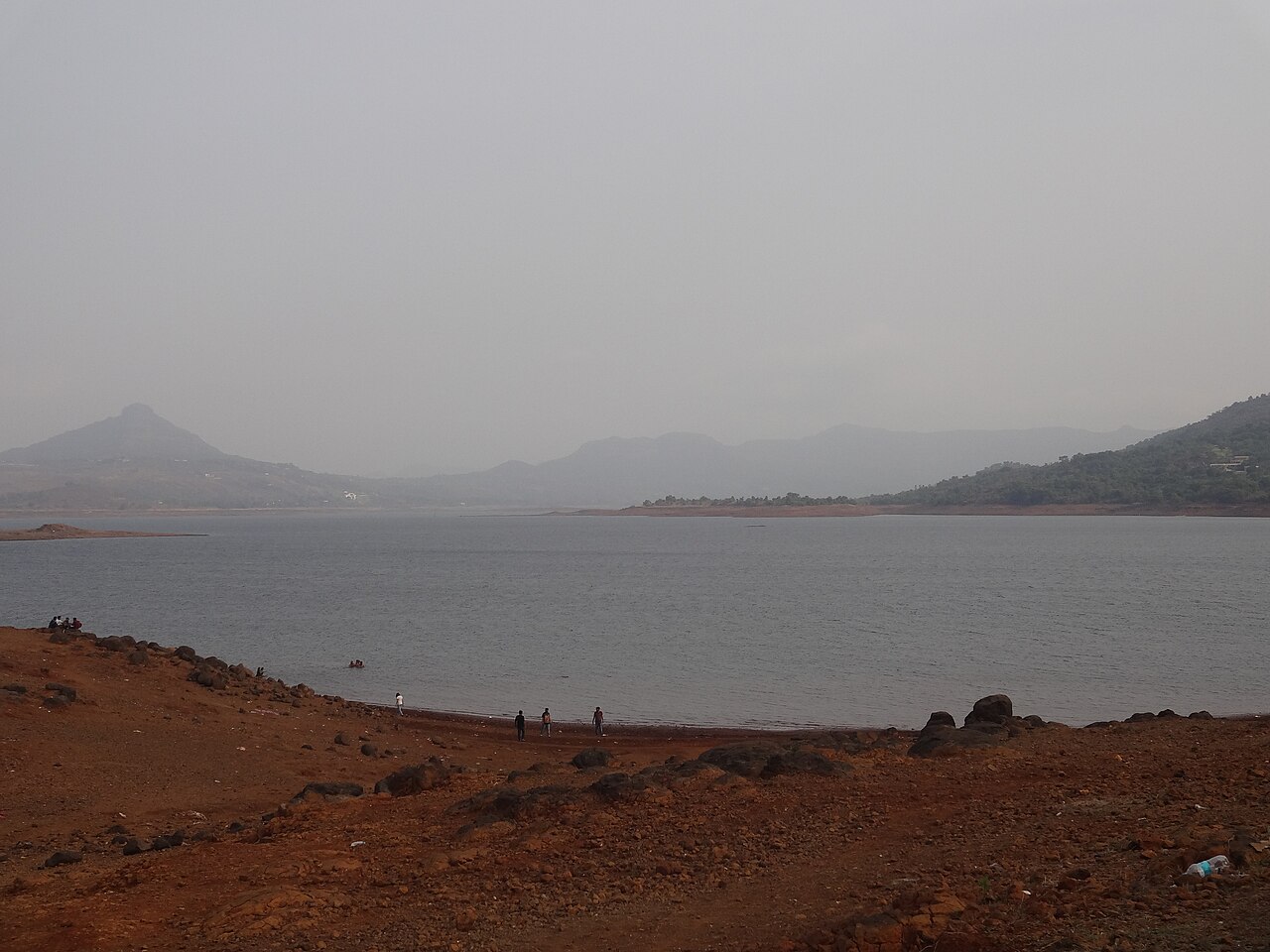
A still, surprisingly large lake ringed by hills. You can boat, picnic on the banks, or just sit. There are several lakeside camping setups if you're up for staying out overnight (though we'd argue our pool back at the villa is the better deal). The drive itself is one of the prettiest in the region.
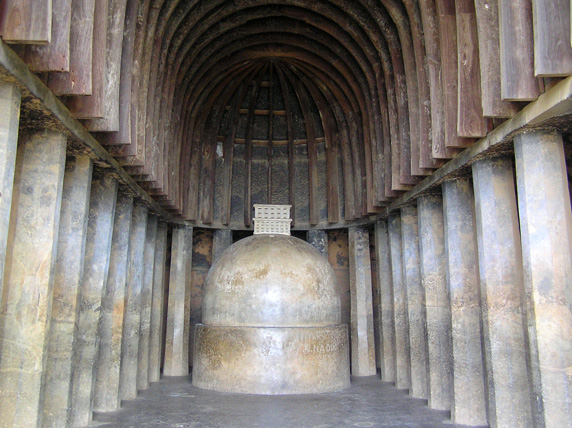
Smaller and quieter than Karla, but equally beautiful. A series of 22 rock-cut caves with intricate stupas. The walk up is short, the crowds are thin, and the view from the top of the hill is a bonus. Combine with Karla if you're a history fan.
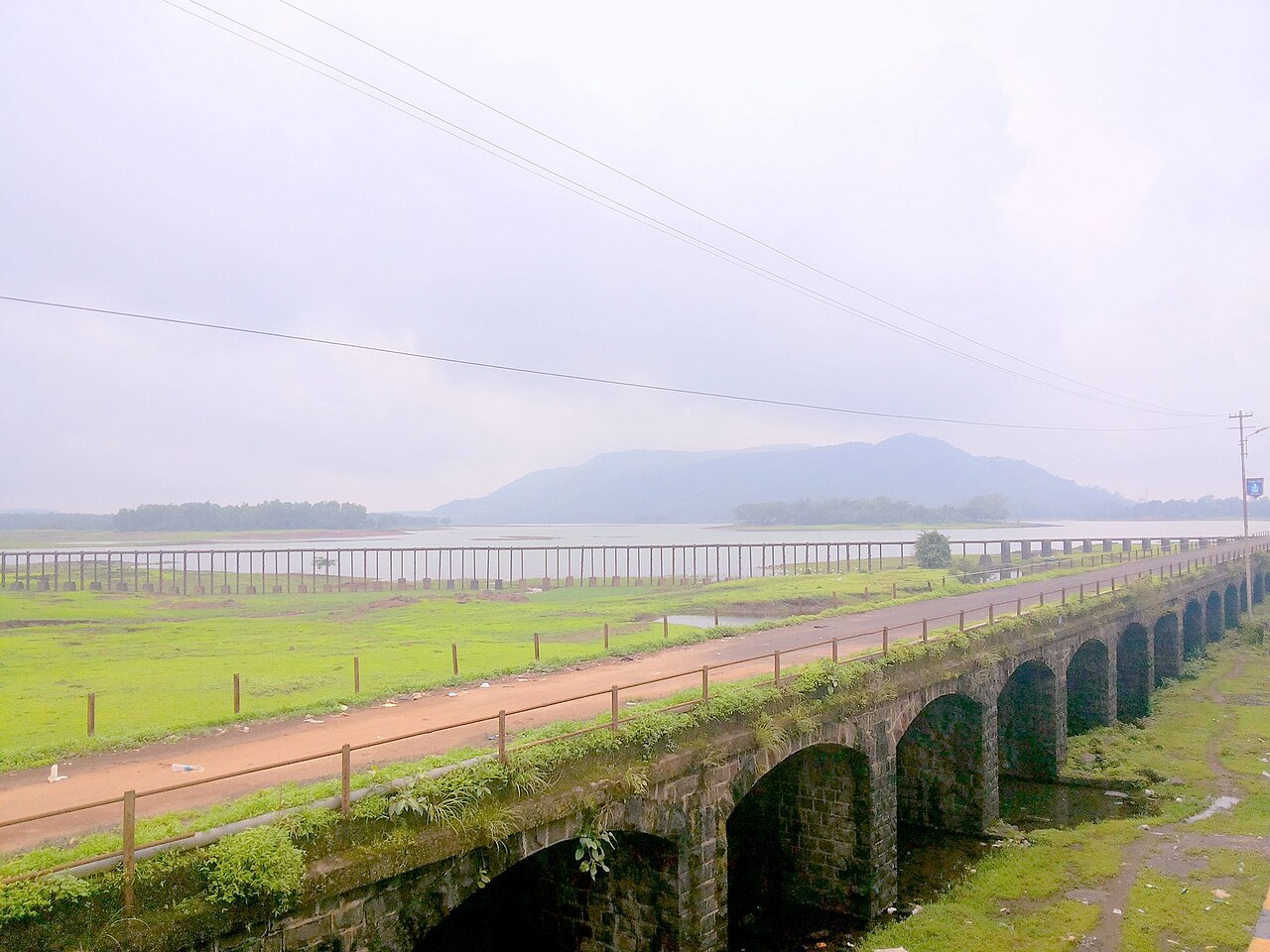
A seasonal lake fed by monsoon rain — usually at its best between July and September. It's a calm, less-touristy spot, good for an evening walk. Dry months see it shrink considerably, so check before you go.
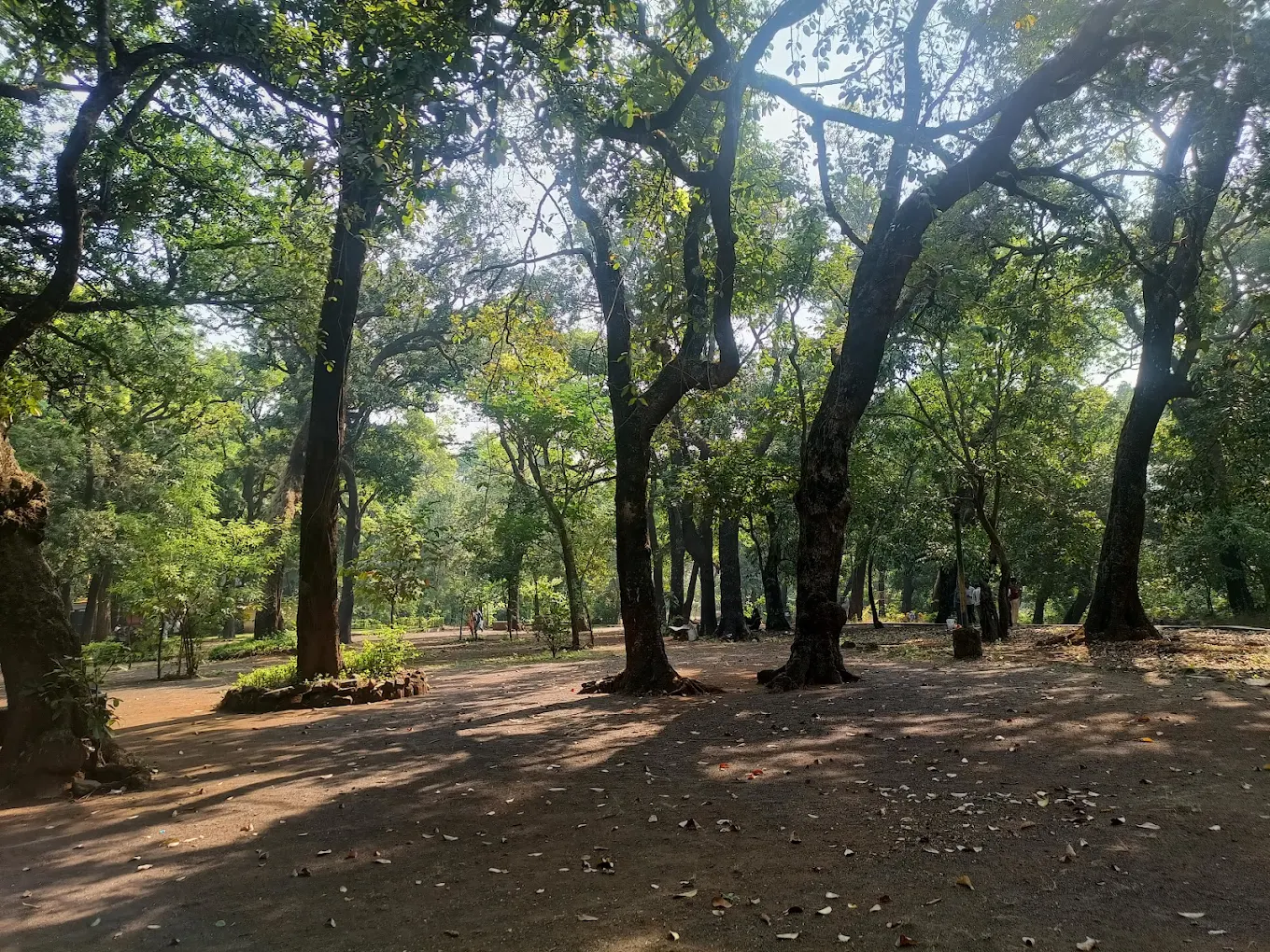
A leafy old park near the main market — surprisingly large once you're inside. Tall trees, walking paths, a small temple, and benches. Great for a slow morning if you're travelling with elderly family or small kids who need a place to run around.
Monsoon (June to September) is the famous season — green hills, full waterfalls, low temperatures. It also rains a lot, so plan indoor backups. Post-monsoon (October–February) is our personal favourite: the green is still here, the rains are gone, and the air is crisp. Summer (March–May) is dry and warm but still pleasant compared to Mumbai or Pune — and the pool gets a lot more action.
From Mumbai: ~85 km via the Mumbai-Pune Expressway, about 90 minutes by car. Several trains a day including the Deccan Queen and Indrayani Express.
From Pune: ~65 km, about 70 minutes by car. Frequent local trains.
Once in Lonavala, having a car (your own or rented) is the easiest way to explore — autos and taxis are available but not always quick.
Lonavala is famous for its chikki — peanut and jaggery brittle in dozens of variations. You'll find chikki shops on every corner; Maganlal and Cooper's are the most well-known. Try the local fudge too. For meals, the main road has plenty of vegetarian restaurants; if you want a sit-down meal, ask us and we'll point you to the current favourites.
A light jacket year-round for evenings, swimwear (you'll be at the pool more than you think), comfortable walking shoes for any forts or caves, and an umbrella or poncho if you're visiting in monsoon. The villa provides towels, but if you're particular, bring your own pool towel.
If it's your first time, or you just don't feel like building a plan, here's the rhythm our guests most often end up with — slow mornings at the villa, sightseeing in the cool hours.
Arrive at the villa by 7 PM. We'll have the AC on in the bedrooms and the pool lights on. Settle in, order a pizza or biryani from a local place we'll recommend, snooker on the rooftop, early to bed.
Slow start. Coffee on the rooftop, a swim, breakfast in the garden. Around 10 AM head out — Bhushi Dam if it's monsoon, Tiger's Point for the view if it's not. Both are 15–30 minutes away, and worth doing before the day-tripper crowd arrives. Back to the villa by 1 PM for lunch and another swim.
An optional half-day at Karla & Bhaja Caves (about 30 minutes east) for groups who enjoy a moderate walk and a bit of history. Or stay in — lawn games, a late-afternoon swim, cake-cutting on the rooftop, dinner from an in-house cook or order in. The rooftop fairly demands a long evening. Bring music.
Pick your speed. Active groups can do an easy trek up Lohagad Fort (45 min drive, about an hour up). Quieter groups will prefer Pawna Lake — boating, a lakeside picnic, and one of the prettiest drives in the region.
Final swim, packing, lunch. Stop at Maganlal Chikki on your way out for the obligatory chikki and fudge run. Check-out is at 11 AM, but if you ask nicely we'll usually extend it for a final lunch.
Pace tip: Don't try to do all seven attractions in two days. Pick three. The villa is built for the in-between hours — and that's where most of the trip actually happens.